
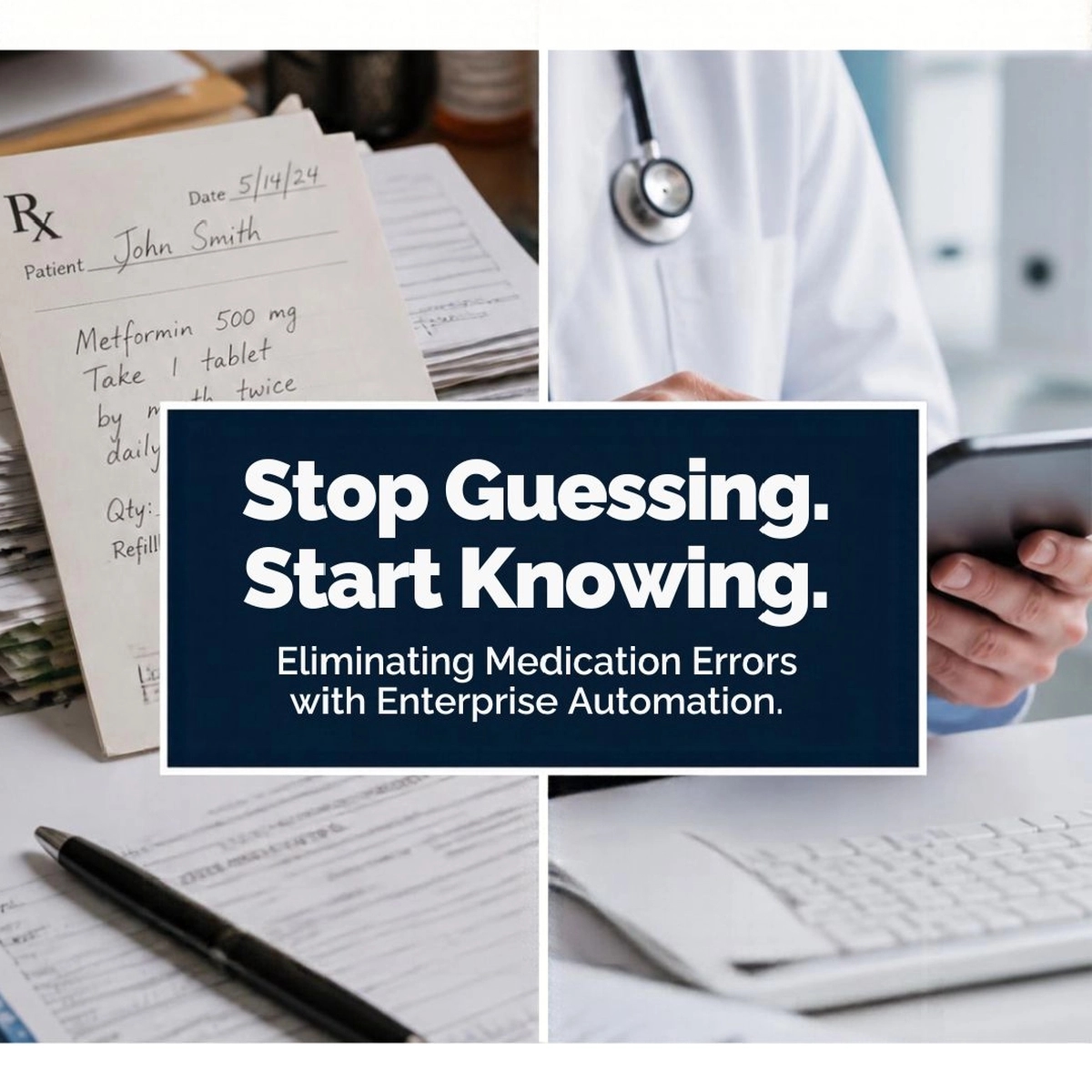
The journey of a medication from the physician’s mind to the patient’s hands is one of the highest-risk workflows in any healthcare facility. According to global health data, Adverse Drug Events (ADEs), injuries resulting from medical interventions related to a drug, are among the leading causes of preventable harm in hospitals. A significant percentage of these ADEs originate not from incorrect clinical diagnoses, but from simple, preventable transcription and communication errors.
To scale a modern healthcare facility securely, administrators must eliminate these manual failure points. The integration of robust Electronic Medical Records (EMR) and e-prescribing (eRx) platforms, such as Medicore by Davethan Technologies, fundamentally re-engineers this workflow. By establishing a direct, encrypted, and automated digital bridge between the consultation room and the pharmacy, hospitals can achieve absolute precision, streamline inventory, and safeguard patient outcomes.
The Anatomy of a Manual Prescription Failure
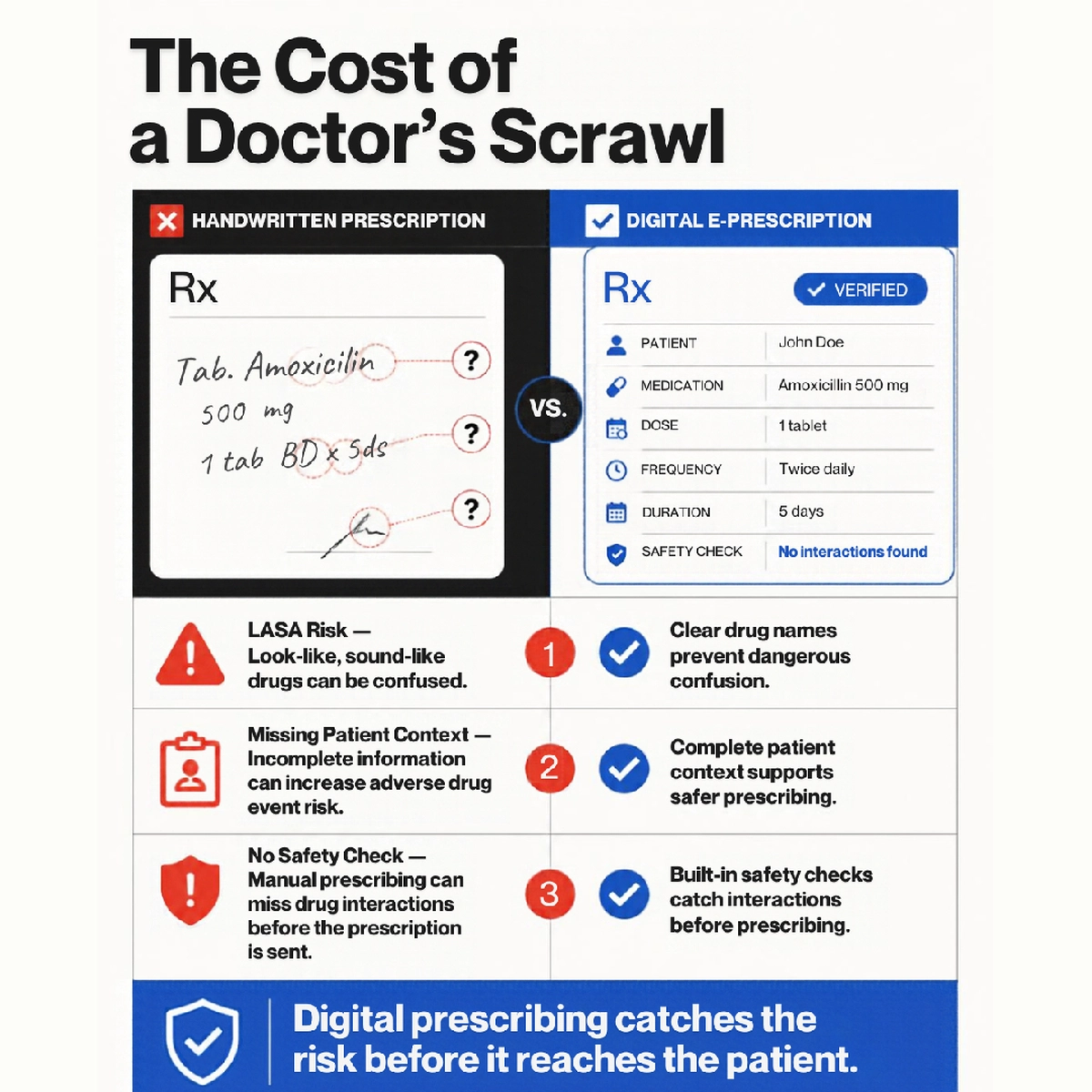
To understand the necessity of automated prescribing, we must dissect the manual workflow and identify its inherent friction points. When a physician writes a paper prescription, the document typically passes through the patient to the pharmacist, who must then decrypt the handwriting, verify the dosage, manually check for potential drug interactions, and transcribe the data into the pharmacy’s dispensing system.
Every single step in this chain is a point of potential failure:
1. Illegibility and Misinterpretation: Poor handwriting can cause look-alike, sound-alike (LASA) drugs to be confused. For example, confusing Celebrex (an anti-inflammatory) with Celexa (an antidepressant) can have severe clinical consequences.
2. Dangerous Abbreviations: The medical field is fraught with abbreviations that are easily misread. A hastily written "U" (for units) can be misread as a zero, turning a 10 U dose of insulin into a fatal 100-unit dose.
3. Missing Patient Context: A paper prescription carries no contextual medical history. When a patient hands a slip of paper to the pharmacist, the pharmacist has no immediate visibility into the patient's existing liver function, renal clearance rates, or comprehensiveallergy profile, forcing them to either dispense blindly or delay treatment to call the prescribing physician for verification.
4. Transcription Errors: The pharmacist or pharmacy technician must manually type the handwritten data into the billing and inventory system. Typographical errors during this data entry phase frequently result in incorrect labeling or inaccurate billing.
In a high-volume hospital seeing hundreds of patients daily, these micro-frictions compound. They result in massive pharmacy queues, frustrated patients, exhausted pharmacists, and an unacceptable margin of clinical error.
Enter Clinical Decision Support Systems (CDSS)
The true power of an enterprise e-prescribing system does not lie merely in digitizing text to make it readable; it lies in the intelligence operating behind the screen. Advanced EMR platforms like Medicore integrate Clinical Decision Support Systems (CDSS), an automated safety net that actively monitors the physician's inputs in real-time.
When a physician selects a medication within Medicore, the system instantly cross-references that drug against the patient’s comprehensive digital medical history. Before the physician can even hit "send," the system processes millions of data points to ensure clinical safety:
● Allergy Alerts: If a doctor attempts to prescribe Amoxicillin to a patient with a documented penicillin allergy from five years ago, the system instantly throws a hard stop alert.
● Drug-Drug Interactions (DDI): Many patients, particularly the elderly, are on complex polypharmacy regimens. No human physician can memorize the interaction profile of every drug on the market. The CDSS automatically flags if a newly prescribed medication will negatively interact with a drug the patient is currently taking.
● Dosage Calculations: The system can automatically calculate exact dosages based on the patient’s age, weight, and latest lab results (such as estimated Glomerular Filtration rate for renal function), preventing accidental overdoses in vulnerable populations like pediatrics or geriatrics.
This level of automated pharmacovigilance transforms the prescribing process. It shifts the burden of error-checking from the overworked human brain to a lightning-fast, infallible algorithm, ensuring that the prescription arriving at the pharmacy is mathematically and clinically precise.
Streamlining Pharmacy Operations and Inventory Management
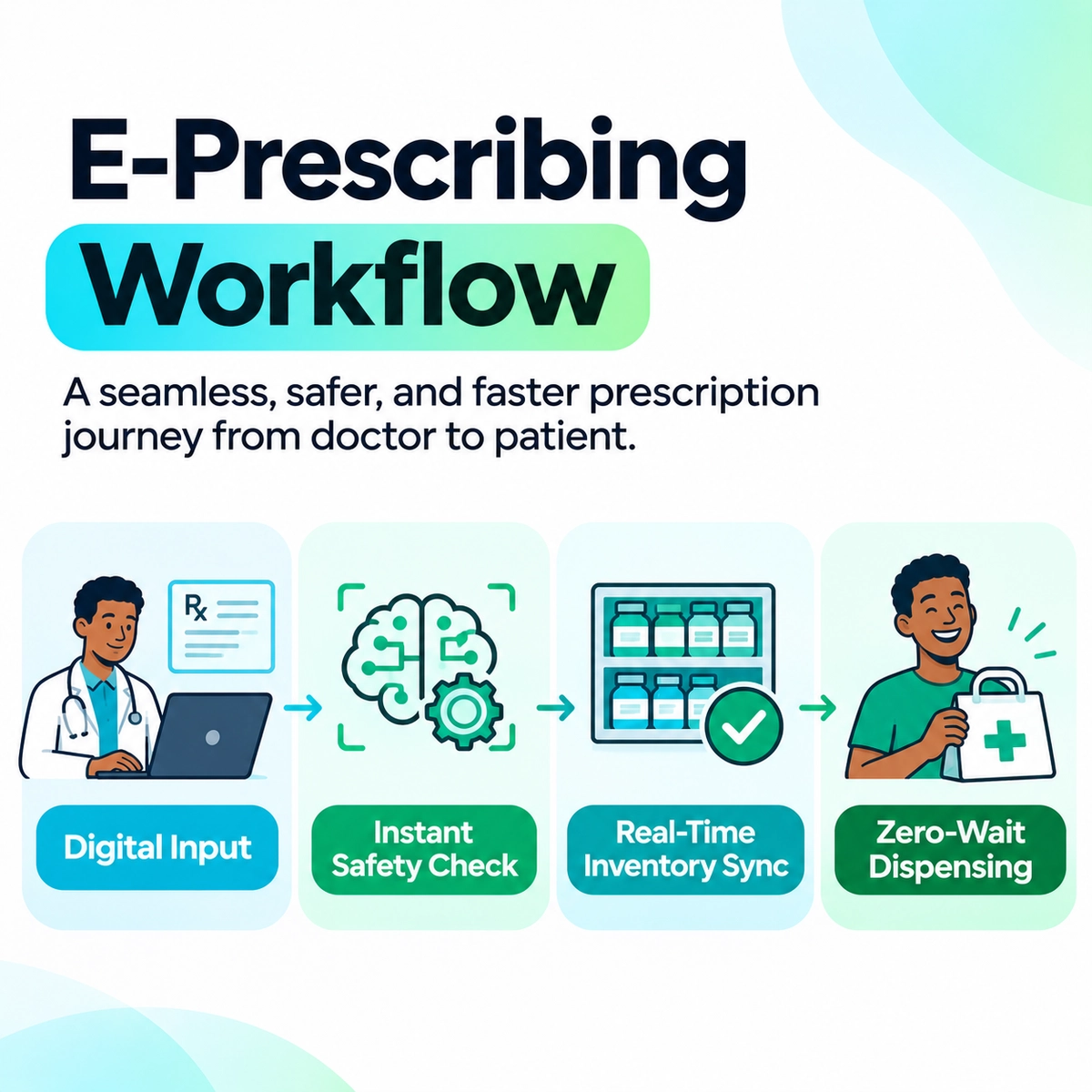
In an enterprise healthcare setting, the pharmacy is not just a dispensing unit; it is a complex logistics and retail operation. The pharmacy represents a massive percentage of a hospital's capital expenditure, tying up millions of Naira in pharmaceutical inventory.
Manual prescriptions create a disconnect between clinical demand and inventory realities. A physician might prescribe a specific brand of medication, entirely unaware that the hospital pharmacy has been out of stock for two days. The patient arrives at the pharmacy, waits in line for thirty minutes, only to be told the drug is unavailable. The patient is frustrated, the pharmacist is stressed, and the hospital loses the revenue of that sale as the patient goes to anexternal pharmacy.
Medicore bridges this gap by unifying the EMR with the hospital's enterprise resource planning (ERP) inventory modules. When a physician opens the e-prescribing module, they have real-time visibility into the hospital's current formulary and stock levels. If a drug is out of stock, the system automatically suggests the available generic equivalent or a therapeutic alternative.
Furthermore, the moment the prescription is digitally submitted, the pharmacy is immediately notified. The medication is instantly allocated in the inventory system, and the billing department captures the charge perfectly. By the time the patient walks from the consultation room to the pharmacy counter, the medication is already verified, billed, and being placed into a bag. This operational fluidity reduces pharmacy wait times by up to 70%, dramatically elevating the patient experience and ensuring zero revenue leakage from missed billing.
Combating Fraud and Regulatory Compliance
Beyond clinical safety and operational speed, automated e-prescribing is a critical tool for regulatory compliance and fraud prevention. Prescription forgery and the illicit diversion of controlled substances (such as opioids or strong sedatives) are significant challenges in healthcare.
A paper prescription pad can be stolen, and signatures can be easily forged. E-prescribing eliminates this vulnerability entirely. Within a zero-trust architecture like Medicore, prescriptions for controlled substances require secure, multi-factor authentication (MFA) from the licensed physician. The digital footprint is immutable, every prescription is digitally signed, timestamped, and logged in an audit trail that cannot be altered.
For hospital administrators, this means absolute compliance with national pharmaceutical regulations. During regulatory audits, the hospital can instantly produce accurate, tamper-proof logs of every controlled substance prescribed, dispensed, and billed, completely shielding the facility from compliance fines and legal liabilities.
Conclusion: Engineering a Culture of Clinical Safety
We can no longer accept the premise that "to err is human" when we possess the technology to engineer those errors out of existence. While human judgment will always be the core of medical diagnosis, the mechanical execution of that treatment, the prescribing, verifying, billing, and dispensing of drugs, must be automated to ensure absolute precision.
The transition to integrated e-prescribing is not a luxury software upgrade; it is a fundamental patient safety protocol.
By deploying Davethan Technologies’ Medicore platform, healthcare facilities can eradicate legibility errors, leverage real-time clinical decision support, optimize their pharmaceutical inventory, and dramatically reduce patient wait times. It is time to digitize the prescription pad.
When you replace manual friction with enterprise automation, you don't just streamline your hospital’s operations, you save lives.